Bait Al Bahri, Muscat
A nineteenth-century sea captain's house on the Mutrah corniche, restored with carved teak, lime plaster and frankincense in the air. Rooms look across the dhow harbour to the Portuguese forts. For travellers chasing the real, unvarnished Muscat, with one honest note about the call to prayer.
We arrived at the blue hour, when the Mutrah corniche softens and the floodlit forts on the ridge begin to glow above the harbour. Bait Al Bahri is a restored sea captain's house from the late nineteenth century, its façade washed in lime the colour of bone, its windows framed by carved teak shutters brought, the owner told us, from Zanzibar in the days when Muscat's reach stretched down the East African coast. Inside, the air carried frankincense and salt. The courtyard was small and cool, centred on a single date palm, and from somewhere above came the clink of cups and low Arabic conversation. The sea was a constant presence, just across the road.
The room
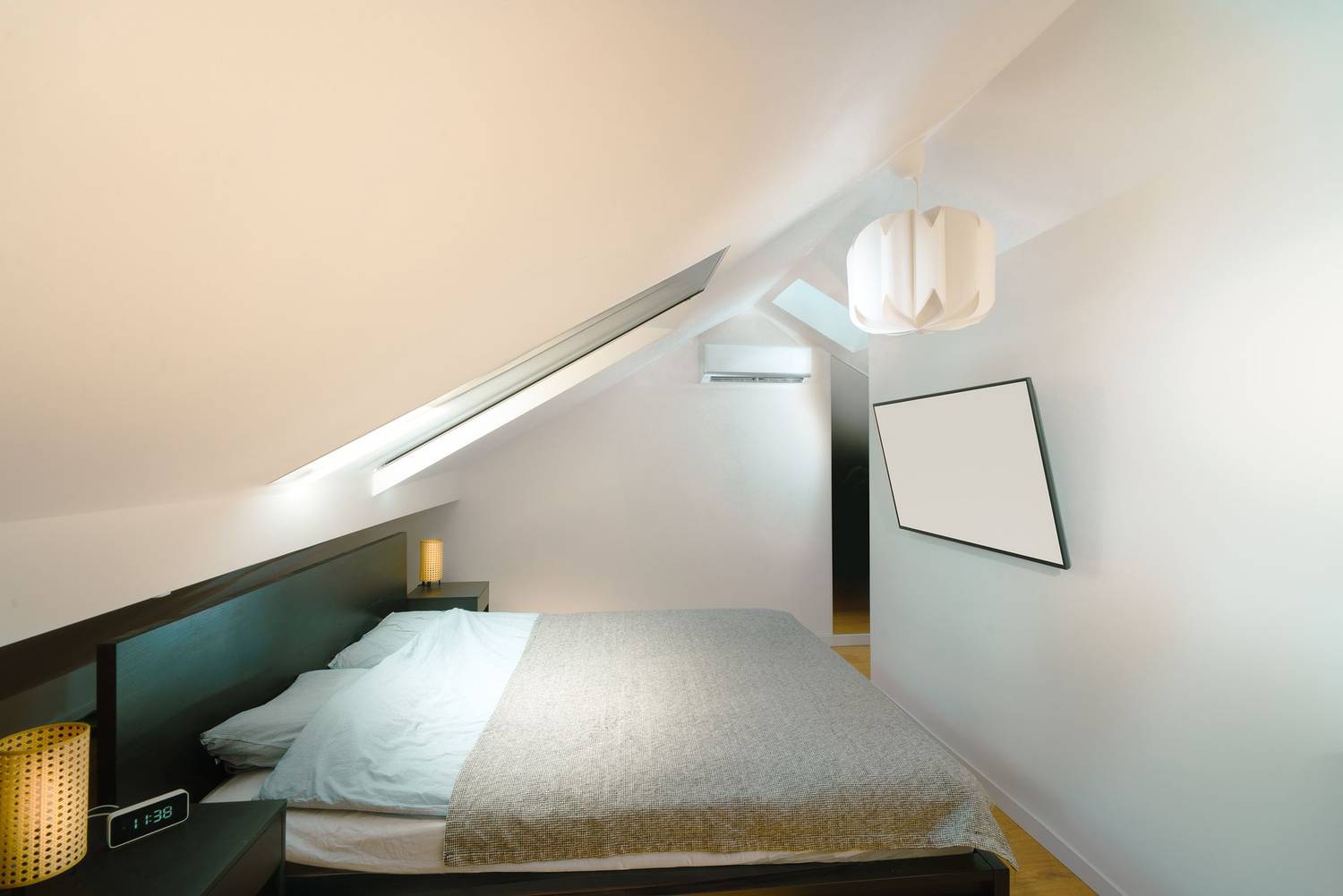
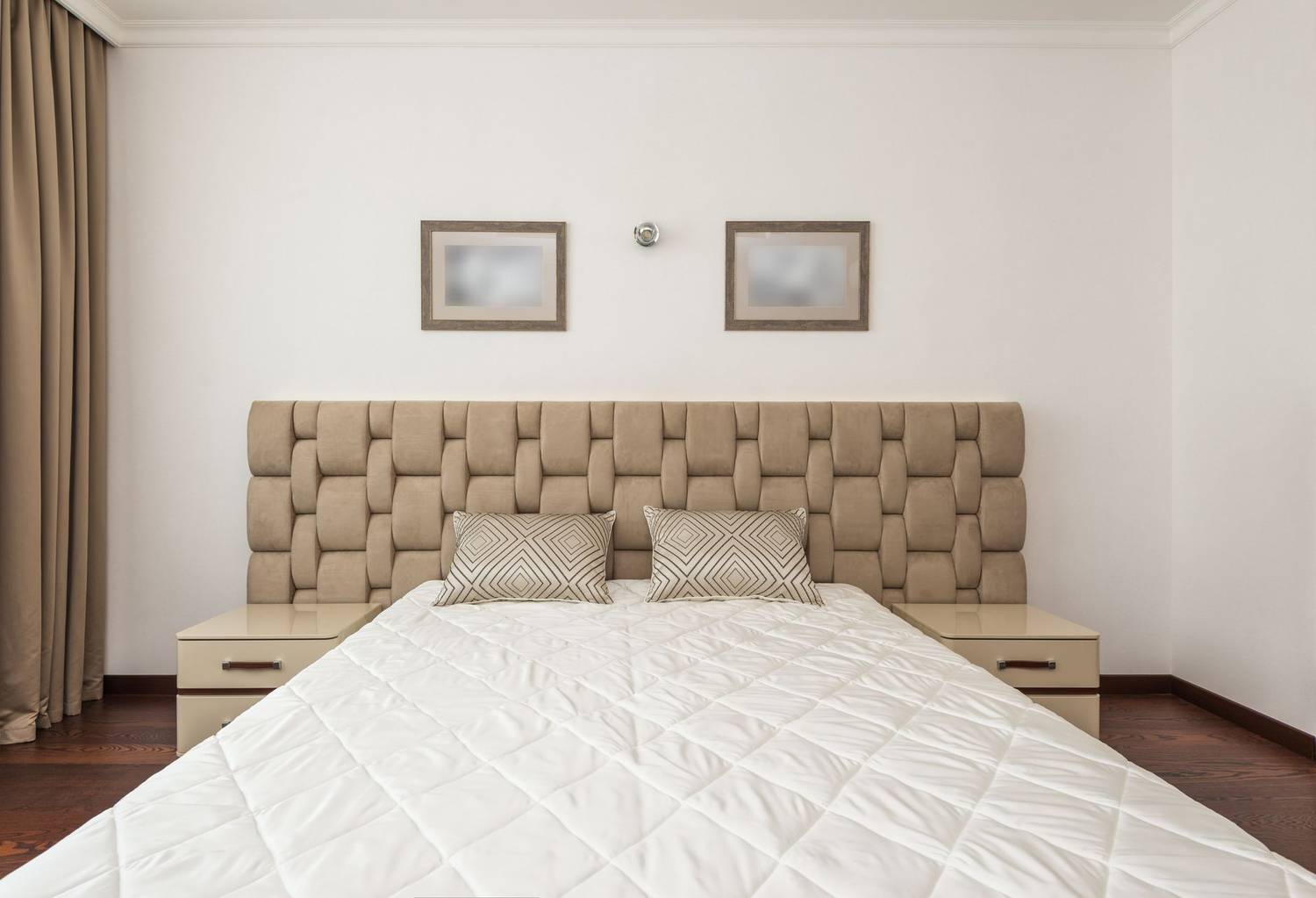
Our room faced the harbour, its tall shutters opening onto a carved balcony just wide enough for two chairs and a pot of coffee. The walls were lime-plastered and thick, keeping the room cool through the afternoon, and the bed sat beneath a ceiling of exposed chandal poles in the old coastal manner. Furnishings were spare and honest: a Bukhara rug, a brass-bound chest, lamps of pierced metal that scattered stars across the ceiling at night. The bathroom was simple but beautifully done, with a stone basin and Omani amouage soaps. We spent every spare hour on that balcony, watching the wooden dhows swing on their moorings and the fishermen mend their nets below.
From the balcony you can watch the same harbour that made this house, still doing the work that built it.The Suite Edit
Service & food
Service is the soul of this place, gracious and unforced in the deeply Omani way, the staff treating guests as visitors to a family home rather than customers. The kitchen serves a short, daily-changing menu of Omani home cooking: shuwa lamb, slow-cooked for a day underground, served on the rooftop with spiced rice; grilled kingfish from the morning's catch; halwa and bitter coffee to close. The rooftop majlis, strewn with cushions and braziers of frankincense, is where the day ends, the forts glowing across the water. There is no alcohol, in keeping with the house and the quarter, but the cardamom coffee flows endlessly and the mint-lime is exceptional.
The verdict
Bait Al Bahri is for the traveller who wants the genuine grain of old Muscat, the teak, the lime plaster, the working harbour, rather than a beach resort on the city's edge. The souq is two minutes on foot, the forts a short climb, and the corniche unfolds at the door. The honest caveat is one of place rather than fault: this is a living, devout neighbourhood, and the pre-dawn call to prayer carries clearly from the mosque across the water. Light sleepers should pack earplugs and embrace it as part of the texture. Those who do will find Muscat at its most authentic and most quietly moving.
The photo set
Location
Al Bahri Road No: 31, Muttrah Corniche, P.C. 114 Muttrah, Muscat, Oman